
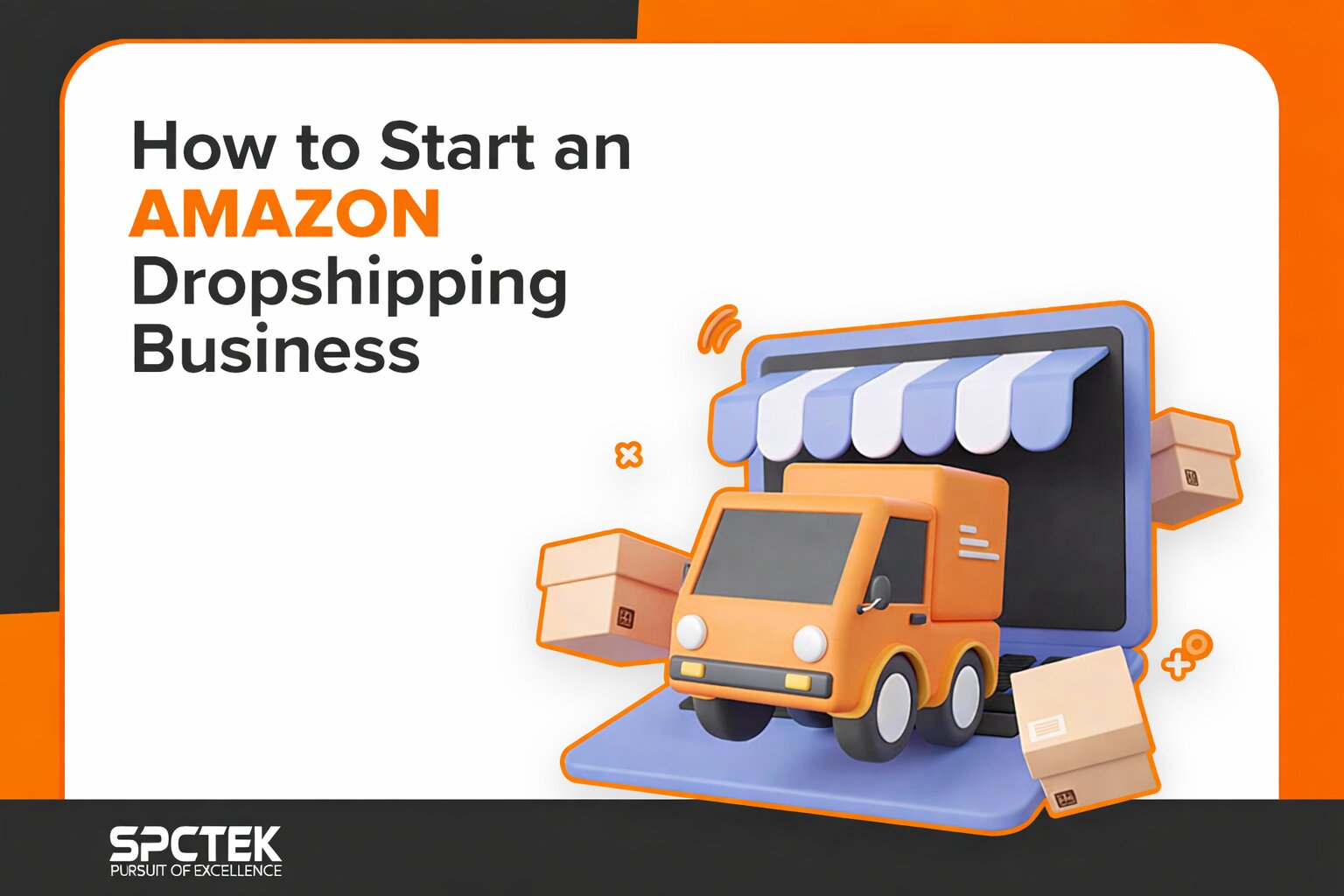
Dropshipping is a business model where you sell products without having to carry any inventory. When a customer places an order, you simply forward the order to your supplier, who then ships the product directly to the customer. This means that you don’t have to worry about storing products, packing, and shipping orders.
Dropshipping can be a great way to start an online business with little money upfront. However, it’s important to note that it’s not without its risks. If you’re not careful, you could end up losing money. In this blog post, we will discuss how to dropship on Amazon without money.
Is Running a Dropshipping Business on Amazon Legal?
Dropshipping on Amazon is legal if you identify yourself as the seller of the product. Amazon prohibits any form of drop shipping that may create confusion about the seller of record. Key violations of Amazon’s dropshipping policy include:
- Misleading Shipments: Purchasing products from third parties and having them ship directly to customers without identifying you as the seller of record. This includes any packaging, invoices, or external slips that indicate a third party as the seller.
- Third-Party Branding: Shipping orders with packaging or documentation showing a seller name other than yours is strictly prohibited.
Approved Drop Shipping Practices
If you use a third-party fulfillment service, you must:
- Ensure that you are the only seller identified on all invoices, packing slips, and external packaging.
- Eliminate any references to third parties before shipping.
- Remain accountable for processing returns and comply with Amazon’s Business Solutions Agreement and policies.
Is Amazon Dropshipping Worth It?
Dropshipping on Amazon can be profitable when done correctly. Today, more than 60% of total sales in the Amazon store come from independent sellers, the majority of which are small and midsize businesses.
In 2025, U.S.-based independent sellers averaged over $290,000 in annual sales. Even more impressive, more than 55,000 independent sellers surpassed $1 million in yearly revenue, showing that strong systems, smart product strategy, and operational discipline can lead to serious scale on the platform.
What Should I Consider Before Starting an Amazon Dropshipping Business?
Starting an Amazon dropshipping business in 2026 is no longer about chasing quick wins. It requires a serious, compliance-first approach. With Amazon’s AI-driven enforcement systems getting stricter, one policy mistake can lead to instant suspension. If you’re entering this space, think like an operator, not a gambler.
Here’s what you need to consider before launching:
1. Amazon Policies & Compliance (Protect Your Account First)
Amazon has strict compliance policies, which often lead to violations and suspensions. For Amazon dropshipping, you must be the official seller of record, meaning your business name appears on all packing slips, invoices, and packaging. Any third-party branding (such as Walmart or AliExpress logos) must be removed before the product reaches the customer.
Retail arbitrage dropshipping is not allowed, so you cannot purchase from retailers and ship directly to buyers. You are also fully responsible for handling returns and customer service, and customers cannot be redirected to your supplier.
2. Account Health Metrics (Zero Margin for Error)
Amazon strictly monitors performance metrics. Your Order Defect Rate (ODR) must stay below 1%. Late Shipment Rate (LSR) must remain under 4%, and slow suppliers will quickly damage your account. Valid Tracking Rate (VTR) must exceed 95%, using approved carriers like USPS, UPS, or FedEx. Poor logistics equals suspension risk.
3. Supplier Reliability (Your Business Depends on It)
Work only with vetted wholesale suppliers that offer blind shipping and professional invoices. US-based suppliers are strongly preferred to maintain 3–5 day delivery times. Long overseas shipping windows (15–20 days) will result in negative feedback and high return rates. You also need real-time inventory syncing to avoid selling out-of-stock products.
4. Financial Reality (Margins Are Tight)
Dropshipping margins are slim, often 5–10% or lower. You must account for Amazon referral fees (typically 8–15%), plus either $0.99 per sale (Individual plan) or $39.99/month (Professional plan). Add in PPC advertising and automation software costs, and profitability becomes a precision game.
5. Product & Niche Strategy (Avoid the Price War)
You need a solid product hunting and sourcing strategy for Amazon dropshipping. Stay away from saturated, generic products where you compete only on price. Instead, target focused niches with steady demand, such as specialized tools, home & kitchen, or pet supplies. Always order samples first to test quality, packaging, and shipping speed before listing.
6. Automation Is Mandatory
Managing pricing, stock levels, and fulfillment manually is not realistic at scale. Use professional automation tools to sync inventory, update pricing, and manage orders efficiently. Without automation, errors multiply and so does suspension risk.
In 2026, Amazon dropshipping is less about opportunity and more about discipline. Those who prioritize compliance, systems, and operational control can build a sustainable business. Those who cut corners likely won’t last long.
How to Start Dropship on Amazon: Step-by-Step Guide
Step 1: Find a Profitable Niche
Before you dive into dropshipping on Amazon without money, it’s essential to identify a profitable niche. Use tools like Google Trends or niche-specific forums to discover what products are in demand. Targeting a niche that you’re passionate about or knowledgeable in can also be advantageous.
Step 2: Create an Amazon Seller Account
To sell on Amazon, you’ll need to sign up for an Amazon Seller Account. There are two types: Individual and Professional. If you’re starting with a limited budget, you can begin with an Individual account, which doesn’t require a monthly subscription fee.
Also Read: A Step-by-Step Guide to Create Amazon Seller Account in 2025
Step 3: Find Reliable Suppliers
Finding trustworthy suppliers is crucial to successfully dropshipping on Amazon. Look for suppliers who offer dropshipping services and have a good track record. Some popular options include AliExpress, SaleHoo, and Oberlo. These platforms allow you to source products without any upfront costs.
Step 4: List Your Products
Once you’ve identified your niche and found reliable suppliers, it’s time to list your products on Amazon. Use high-quality images and write compelling product descriptions to attract potential customers. Make sure to set competitive prices and consider shipping costs in your pricing strategy.
Step 5: Optimize for SEO
The best way to increase your product’s visibility on Amazon without spending money is to optimize your product listings for Amazon’s search engine. Use relevant keywords in your product titles, bullet points, and descriptions. Tools like Amazon’s own keyword research can help you identify the right keywords to target.
Also Read: Top Strategies to Improve Amazon Keyword Ranking and Drive Sales
Step 6: Monitor and Adjust
Track your sales, customer feedback, and competitor performance regularly. Be prepared to adjust your product offerings and pricing to stay competitive. Customer satisfaction is key to long-term success in dropshipping.
Step 7: Invest in Marketing (Optional)
While the focus here is on dropshipping without money, it’s worth mentioning that investing in marketing can accelerate your dropshipping business, like Amazon PPC (Pay-Per-Click) advertising and social media marketing, which can help attract more customers.
Step 8: Manage Finances Carefully
Even though you’re starting with a minimal investment, it’s essential to manage your finances wisely. Keep track of your expenses, sales, and profits using tools like Excel or accounting software. Reinvest your profits to expand your product offerings and grow your business gradually.
Tips on How to Successfully Dropship on Amazon
1. Keep in Line with Amazon’s Policies
Before you start, take a moment to read Amazon’s rules and helpful guides. This will make it easier to start and run your business without breaking any rules.
2. Make Customer Happiness Your Priority
Excellent customer service is like a superpower for your business. It keeps customers coming back and spreads the word about your great reputation. Plus, it can boost sales even more than regular ads.
In a crowded marketplace, good service sets you apart. Here are the basics:
- Be quick to reply to customer questions or problems.
- Fix any issues with orders fast.
- Reward your loyal customers.
- Make your deliveries look appealing.
Remember, happy customers are your best advertisement!
3. Stay Trendy for Amazon Dropshipping Success
Improve your Amazon dropshipping business by staying updated with trends. Customers like trendy products that make their lives better, so remember to keep your listings fresh. Stay ahead and see your business grow.
Which Platform Is Better for Starting a Dropshipping Business: Shopify or Amazon FBA?
Shopify is generally better for building a long-term dropshipping business because it gives you full control, higher profit margins, and flexible store customization. Amazon FBA is good for beginners who want rapid, high-volume sales from an existing customer base and fulfillment support. Shopify usually has lower fees and more branding freedom, while Amazon FBA offers built-in trust and traffic at the cost of stricter rules and higher marketplace fees.
Shopify: Control, Branding, and Flexibility
Shopify is a dedicated e-commerce platform that lets you build your own online store and control every detail, from how your site looks to how you market to customers. Shopify supports dropshipping through integrations with apps like DSers, Spocket, and others, allowing you to start selling without holding inventory.
It has low upfront costs, higher profit margin potential, and gives you complete ownership of the customer experience. This makes Shopify an attractive option if your priority is building a brand that you fully control, customizing your store experience, and owning customer data that you can use for email marketing and repeat sales.
Amazon FBA: Built-in Audience, Fulfillment Ease, Strict Rules
Amazon FBA works differently: you send inventory to Amazon’s warehouses, and they handle storage, packing, shipping, customer service, and returns. Amazon gives you access to a massive built-in audience that is already in “buying mode,” which can mean higher sales volume right away.
But Amazon is more competitive, requires upfront investment in inventory, comes with referral and fulfillment fees, and limits your control over branding and customer data.
Amazon Dropshipping Automation
To run an Amazon dropshipping business efficiently, you need tools that automate repetitive tasks. The high-volume, low-margin nature of Amazon dropshipping makes it vital to automate tasks like inventory updates, price syncing, order placement, and supplier communication so you can focus on growth instead of manual work. The best automation tools handle product sourcing, stock and price syncing, and order fulfillment to help scale your store without constant hands-on effort.
What Are the Best Tools for Automating Dropshipping on Amazon?
The best Amazon dropshipping tools include:
AutoDS (Best Overall): Offers full automation for dropshipping, including product research, importing listings, monitoring stock, and fulfilling orders.
Doba (Best for Supplier Management): Gives access to a vetted supplier network with easy product importing and live inventory tracking to avoid stock issues.
Helium 10 (Best for Research): A complete suite of tools for product discovery, keyword insights, and competitor analysis with features like Black Box, Magnet, and Cerebro.
Inventory Source (Best for Supplier Sync): Connects with over 200 suppliers to automatically update inventory and route orders, helping prevent oversells.
SaleHoo (Best for AliExpress Sourcing): A robust supplier directory that makes it easy to find reliable dropshipping partners, especially for AliExpress products.
Merch Jar (Best for Ad Automation): Focuses on automating Amazon PPC campaigns to help boost sales through smarter advertising.
Key Automation Features to Look For
- Inventory Automation: Keeps stock levels updated in real time so you don’t sell items that are out of stock.
- Price Automation: Adjusts your prices automatically based on supplier changes to protect your profit margins.
- Order Fulfillment: Automates purchasing from suppliers and sends tracking details to customers.
- Product Research: Helps you find high-potential products and analyze competitor pricing for smarter decisions.
Amazon Dropshipping Challenges
It’s essential to keep these challenges in mind when starting an Amazon dropshipping business:
- Inventory Issues: Maintaining consistent stock levels can be difficult, which leads to potential order fulfillment problems.
- Amazon Policy Risks: Violating Amazon’s strict policies and rules can result in account suspension, which can affect your business.
- Customer Service: Managing customer inquiries and issues, especially when dealing with multiple suppliers, can be complex.
- Shipping Problems: Delays or errors in product shipping can harm your reputation and lead to customer dissatisfaction.
- Dependence on Suppliers: Your business heavily depends on suppliers for consistent and reliable product availability, which can be unpredictable.
Here’s a Helpful tip
If you’re thinking about selling on Amazon, consider using FBA. It’s a smart choice for the long run because it takes away a lot of the hassles and worries of handling orders and shipping yourself. Amazon does most of the work for you, making your selling experience smoother and more efficient.
If you’re unsure about how to begin your Amazon journey, don’t fret. We’ve helped countless beginners start selling on Amazon, and you can schedule a quick call with our expert for assistance. Book a Call
Conclusion
You can start a successful Amazon dropshipping business without spending money. Just follow the right steps: Use free tools for Amazon product research, team up with dropshipping suppliers, and market your products using affordable methods. With determination and creativity, you can achieve Amazon dropshipping success without any initial investment.