
Picture of Abdullah Zafar

Abdullah Zafar

SPCTEK
Senior Content Writer

About

Articles

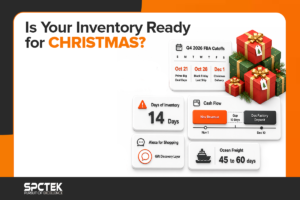
Is Your Inventory Ready for Christmas? The 2026 Christmas Ecommerce Playbook for Amazon Sellers

Christmas ecommerce for Amazon sellers is a Q3 logistics and cash flow problem that happens to pay out in Q4, not a fourth-quarter marketing push. Success comes from working backward from FBA inbound cutoffs, pre-committing an air freight recovery budget before you need it, and lining up financing so Amazon’s DD+7 payout gap doesn’t collide with Q1 factory deposits.

Read More »

Why Building a Business on Shopify Is the Most Important Step After Amazon

Building a business on Shopify after scaling on Amazon means owning customer data, cash flow, and brand equity instead of renting them from a marketplace. Success comes from sequencing the build correctly, pairing it with real paid traffic, and protecting Amazon revenue during the ramp. The payoff is a business that survives a policy change, though it takes six to twelve months to pay off.

Read More »

Why Is Your Amazon Sponsored Ads ROAS Dropping Even When Sales Look Fine?

A dropping Amazon ROAS usually means a few weak campaigns are pulling the account average down while stronger products keep total sales climbing. Success comes from ruling out seasonality, checking whether category costs have risen, and confirming attribution matches real revenue before touching the listing. That order stops wasted fixes, but only if you know your break-even ROAS first.

Read More »

What Are TikTok Spark Ads and Why Top Brands Prioritize Them?

TikTok Spark Ads mean putting paid budget behind organic posts that already earned engagement, rather than building fresh creative inside Ads Manager and hoping it lands. Success comes from a steady organic posting pipeline, honest reading of which posts actually earned watch time and shares, and enough budget per ad group for the algorithm to optimize properly. The payoff is proof entering the auction instead of a guess, though the format is only as strong as the organic content feeding it.

Read More »

Multichannel E-Commerce Strategy: Why Depending on One Platform Is the Riskiest Move

Multichannel ecommerce strategy means diversifying revenue across platforms so one suspension or policy change can’t sink the business, not treating Amazon as the only channel that matters. Success comes from sequencing channels by revenue stage, syncing pricing and inventory, and building an owned audience through email, with a 90-day runway before judging any new channel.

Read More »